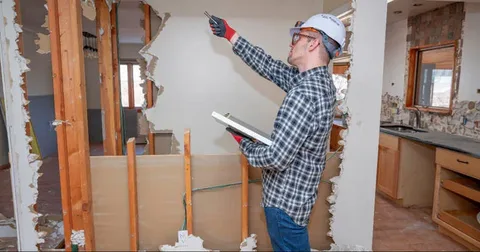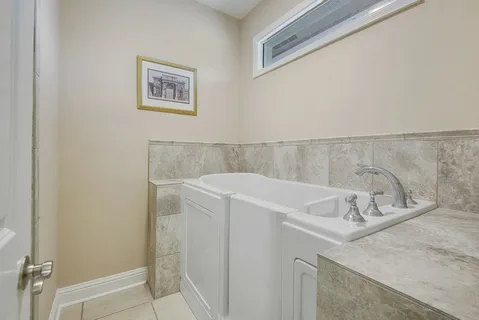

When renovating a bathroom, choosing the right flooring is crucial. The bathroom environment is often exposed to moisture, humidity, and temperature fluctuations, making it essential to select materials that are durable, water-resistant, and easy to maintain. Below are some of the best flooring options for an Interior and Exterior bathroom renovation in El Paso, TX, each offering unique benefits in terms of aesthetics, longevity, and functionality.
Tile Flooring
Ceramic Tile
Ceramic tile is a popular choice for bathroom flooring renovation in El Paso, TX due to its water resistance, durability, and wide range of design options. Available in various colors, shapes, and textures, ceramic tiles can mimic the look of wood, stone, or concrete while providing excellent protection against moisture.
Pros:
- Highly water-resistant
- Affordable and widely available
- Easy to clean and maintain
- Available in numerous styles and designs
Cons:
- Can feel cold underfoot
- May become slippery when wet
- Hard surfaces may be uncomfortable to stand on for long periods
Porcelain Tile
Porcelain tile is a denser and more durable alternative to ceramic tile. It is highly resistant to moisture and can withstand heavy foot traffic, making it ideal for bathrooms.
Pros:
- Superior water resistance
- Extremely durable and long-lasting
- Low maintenance
- A wide variety of styles, including wood and stone looks
Cons:
- More expensive than ceramic tile
- Can be difficult to install without professional help
Natural Stone Tile
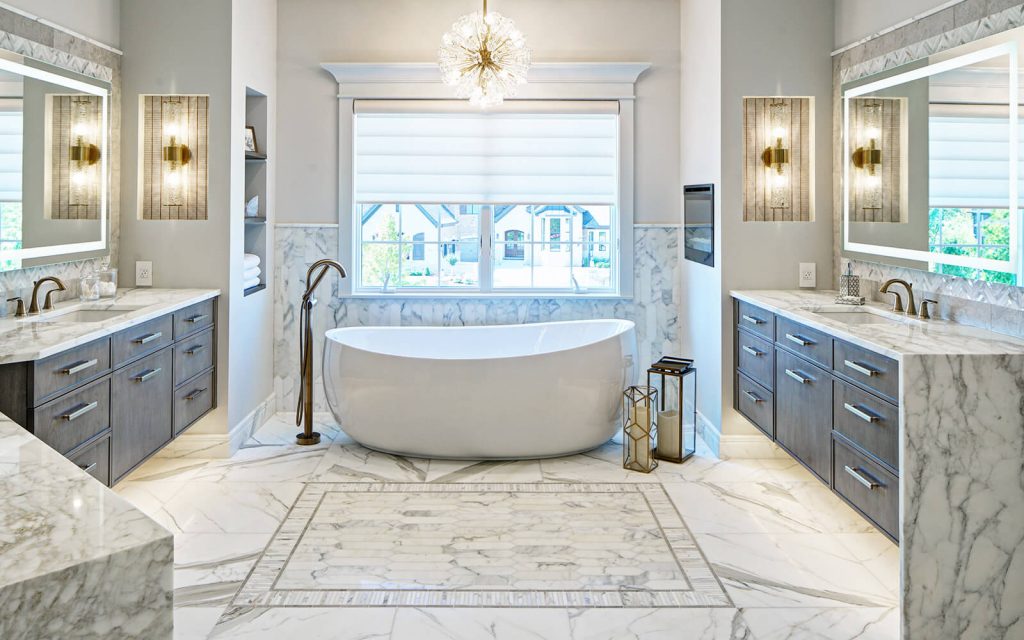
For those looking to add a touch of luxury, natural stone tiles such as marble, granite, slate, and travertine are excellent choices. These materials provide a unique and elegant appearance, but they require sealing to prevent water absorption.
Pros:
- Elegant and high-end appearance
- Durable when properly maintained
- Increases home value
Cons:
- Can be expensive
- Requires sealing and regular maintenance
- Can be slippery unless textured
Vinyl Flooring
Luxury Vinyl Tile (LVT) and Plank (LVP)
Luxury vinyl flooring is an excellent option for bathroom renovations due to its water-resistant properties, affordability, and realistic appearance. LVT and LVP can replicate the look of hardwood or stone while offering superior moisture resistance.
Pros:
- 100% waterproof options available
- Comfortable underfoot
- Easy to install, often available in peel-and-stick or click-lock options
- Wide range of designs and textures
Cons:
- May dent under heavy objects
- Requires proper subfloor preparation for best results
Waterproof Laminate Flooring
Waterproof laminate flooring is a newer innovation that combines the beauty of hardwood with enhanced moisture resistance. Unlike traditional laminate, waterproof varieties have a protective core that prevents water damage.
Pros:
- Mimics the appearance of real wood
- More resistant to moisture than standard laminate
- Easy to install with click-lock systems
Cons:
- Not as waterproof as vinyl or tile
- May swell if water seeps through seams
Cork Flooring
Cork is a unique and eco-friendly flooring option that provides natural warmth and comfort underfoot. It has inherent water resistance but must be properly sealed to prevent moisture penetration.
Pros:
- Soft and comfortable to walk on
- Naturally resistant to mold and mildew
- Environmentally friendly and renewable
Cons:
- Requires sealing for water resistance
- Can be easily scratched or dented
Rubber Flooring
Rubber flooring is a practical choice for bathrooms, especially for households with young children or elderly individuals. It provides excellent slip resistance and cushioning, making it a safe and comfortable option.
Pros:
- Slip-resistant, even when wet
- Soft and cushioned for comfort
- Resistant to mold and mildew
Cons:
- Limited design options compared to other materials
- Can have an industrial appearance
Engineered Wood Flooring
While solid hardwood is not recommended for bathrooms due to its susceptibility to moisture, engineered wood can be a viable alternative. It consists of a plywood core with a hardwood veneer, providing some resistance to humidity.
Pros:
- Offers a real wood appearance
- More moisture-resistant than solid hardwood
- Can be refinished depending on the thickness
Cons:
- Not completely waterproof
- Requires sealing and careful maintenance
Conclusion
Choosing the best flooring for a bathroom renovation depends on various factors, including durability, water resistance, aesthetics, and maintenance requirements. Tile options like ceramic, porcelain and natural stone offer excellent moisture protection, while luxury vinyl, waterproof laminate, cork, rubber, and engineered wood provide alternatives that balance functionality and style. Assessing your specific needs and preferences will help you select the ideal flooring to enhance both the practicality and beauty of your bathroom space.