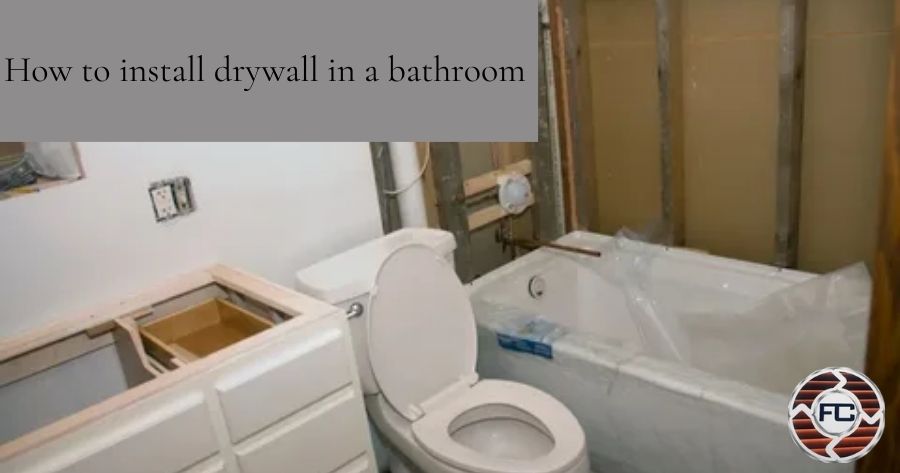

When you build or remodel a bathroom, you need to consider how to keep it dry. One key way is to use the right kind of drywall. At Full Circle Interiors we want every room to last. Bathrooms are humid places. Water and steam can harm plain drywall. We will look at why you need special drywall for bathrooms. We will also look at how to pick and install it. You will learn what makes this drywall different. You will see how it keeps walls safe from moisture. You will find simple tips you can use right away.
Drywall is a panel used to cover the frame of a wall. It is also called gypsum board or plasterboard. It is a sheet of gypsum sandwiched between paper layers. This drywall is easy to cut and install. It makes walls look smooth and neat. It also lets painters add color or tile. Yet not all drywall is the same. Some types are made to stand up to water. In a bathroom you need to stop mold and mildew. You need drywall that works well in damp places. That is why builders use special drywall for bathrooms.
Why Do Bathrooms Need Special Drywall
Bathrooms can be very wet or damp. Showers and tubs put out a lot of water. Steam builds up on walls and ceilings. This steam can soak into plain drywall. Once the drywall gets too wet it can warp. It can crumble or grow mold. Mold is dark and ugly. It also can make you sick. You do not want mold in your home. Special drywall stops water from soaking in. It has a water-resistant core. It can still be cut and fit like regular drywall. Yet it does not soak up water as plain drywall does. This helps your bathroom look good and stay safe.
Types of Special Drywall
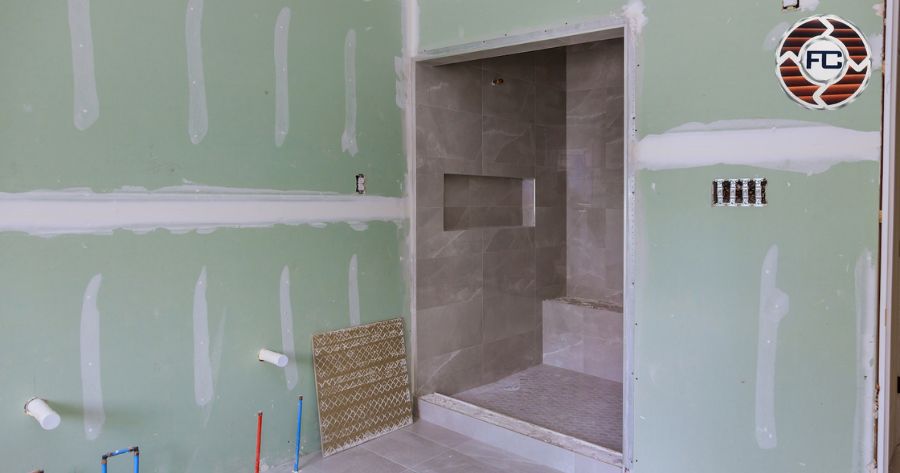
There are a few kinds of drywall made for moist rooms. The most common type is green board. It has a green paper facing. This paper repels moisture better than plain paper. It has a core that also resists water. Green boards can be used in parts of a bathroom that get damp. It is not for inside a shower or tub surround. For those spots you need cement board or tile backer board. Cement board is not made of paper. It is made of cement and glass fibers. It will not warp or grow mold. It is strong and tough. It is best for walls that touch tile and grout.
Another type is purple board. It has a purple face paper. This board repels water and also resists mold and mildew. It can be used in all areas of the bathroom. It is more costly than green boards but offers more protection. It is a good choice if you want extra peace of mind. There is also a blue board. This board is made to be used with a plaster finish. It is damp resistant but not as strong as cement board. It can be a cost savings if you want a smooth plaster wall in your bathroom.
How to Install Special Drywall in Bathrooms
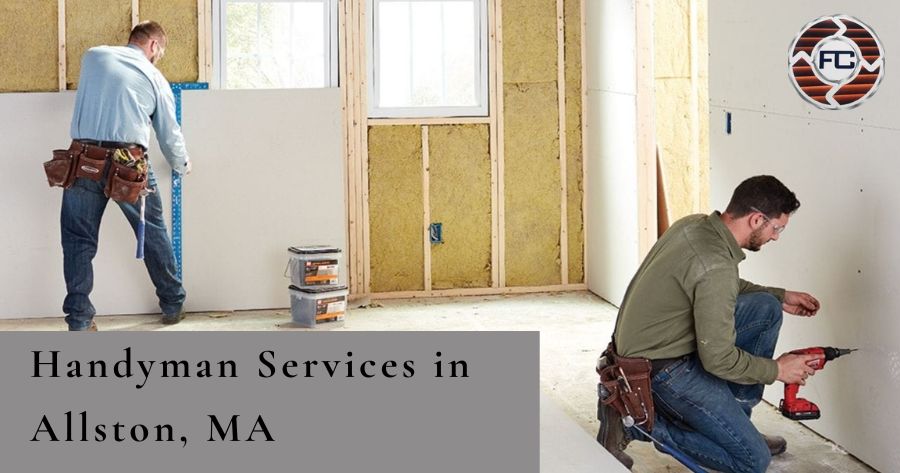
When you install bathroom drywall you need to follow some steps. First, measure the wall and cut the board to fit. Use a straightedge and a sharp knife. Score the paper on one side and snap the board. Then cut the other side of the paper. This method works the same for green, purple, or blue boards.
Next, attach the board to the studs. Use drywall screws that resist rust. Drive screws into the wall studs every 12 inches. Make sure the board is flat and tight against the framing. Do not push screws too deep. They must sit just under the paper surface. Too deep can ruin the water resistance.
At corners and seams use paper or mesh tape. For green boards you can use regular tape and joint compound. For cement boards you might use special alkali resistant tape. Mix joint compound that is mold resistant. Apply a thin layer over the tape. Let it dry and sand smooth. Apply a second coat if needed. Sand again until the wall is smooth.
If you use cement board behind tile you need to seal seams with thinset mortar. Then place the tile with the proper adhesive. Make sure you leave space for grout. Use grout that resists moisture. Seal the grout when it dries. This extra step helps keep water out.
Costs and Savings
Some people ask if special drywall costs more. It does cost more than plain drywall. Green board can cost a bit more per sheet. Cement boards can be two or three times the cost of green boards. But the extra cost saves you money later. Mold and water damage can be very costly to fix.
Think of it this way. A small patch of mold can spread quickly. Once mold spreads you must remove drywall and framing. You must treat nearby walls and floors. You may have to repaint or even redo tile. This can cost hundreds to thousands of dollars. So spending a bit more on the right drywall is smart.
If you install it right the first time you save on repair bills. You also save on time and stress. A bathroom that stays dry is a joy to use. It makes your home feel fresh and new each day. It avoids bad smells and odd stains on the walls.
Tips for a DIY Project
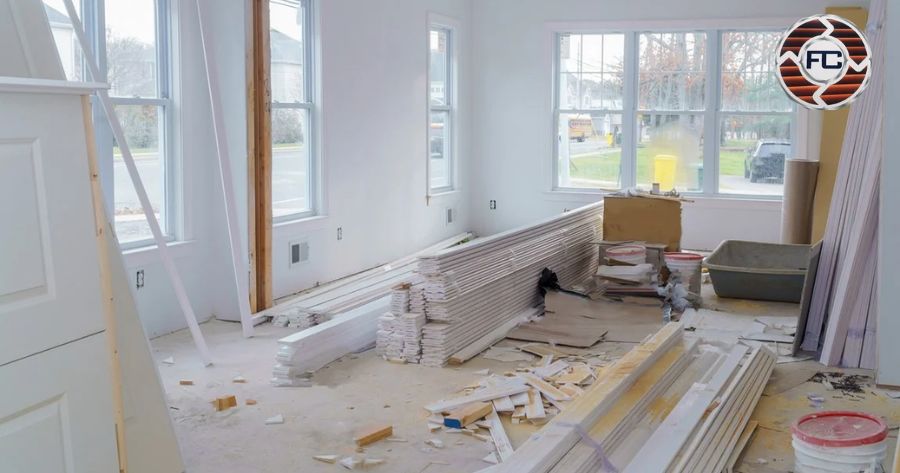
If you plan to do the work yourself you can still do it right. Start by buying good tools. Get a drywall saw, a taping knife, and a good drill. Buy drywall screws that are coated. They will not rust when they touch water.
Watch a few videos on how to cut and hang drywall. Practice on a scrap piece. Learn how to score and snap the board. Practice taping seams and smoothing compounds. Dry some joint compound in a small box to see how fast it works.
Plan the space well. Mark stud lines on the floor and ceiling so you know where to put screws. Make sure the board fits around windows and pipes. Cut edges square for a tight fit. If edges are uneven water can sneak in.
After you hang the drywall, step back and look. Are the seams tight? Are screw heads just below the surface? Is the board flat? If you see any gaps, fill them now. It is easier to fix before you tape and mud.
Signs You Need to Replace Bathroom Drywall
Even special drywall can fail if it is old or damaged. Look for soft or sagging spots on walls. These can mean water is trapped behind. Touch the wall. If it feels damp or mushy you need to act. Look for dark stains or discoloration. These can mean mold is growing.
If you see mold or smell a musty smell it is time to check the wall. Pull off a small piece of the wall. If it crumbles or is soft behind it you must remove that section. Replace it with a green board or cement board. Fix any leaks first so the new board does not get wet.
Conclusion
In a bathroom water is always present. Steam from showers can soak plain drywall. This leads to mold, rot, and costly fixes. By using special drywall you stop water at the wall. You keep your bathroom clean and fresh. You protect your home and your health.
Full Circle Interiors helps you make the best choices. We guide you to pick a water resistant board. We show you how to install it with care. We share tips on painting and sealing. All these steps add up to a strong bathroom wall. A wall that stands up to steam and water for many years.
If you want a bathroom that stays bright and green or cement board in key spots. Use mold resistant paint. Run the fan each time you shower. Wipe down wet walls. Check caulk and seams now and then. With these steps you can keep your bathroom safe and fresh.
At Full Circle Interiors we build spaces that feel right. We use simple steps to make big gains. We know that good walls matter most in a bathroom. We want you to enjoy your space without worry. Choose the right drywall and you get a room that lasts. A room that keeps you happy every day.