

Painting your garage wall is a great way to improve its appearance and protect it from wear and tear. A well-painted wall not only enhances the aesthetics of your garage but also makes it easier to clean and maintain. However, achieving a tough and durable finish requires careful preparation, materials, and application techniques. In this guide, we will walk you through the step-by-step process of wall painting services in El Paso, TX your garage wall for long-lasting results.
Benefits of Painting Your Garage wall
Enhances Aesthetics
A freshly painted garage wall can give your space a clean and polished look. With various colors and finishes available, you can customize the appearance to match your home’s style.
Increases Durability
Applying a high-quality coating to your garage wall helps protect it from stains, cracks, and abrasions. A durable finish prevents damage caused by heavy vehicles, tools, and chemicals.
Improves Cleanliness
A painted wall is much easier to clean compared to bare concrete. It helps reduce dust buildup and prevents oil and chemical spills from seeping into the surface.
Boosts Safety
Certain coatings offer slip-resistant properties, reducing the risk of accidents in your garage. Some paints also reflect light, improving visibility in the space.
Choosing the Right Paint for Your Garage wall
Epoxy Paint vs. Latex Paint
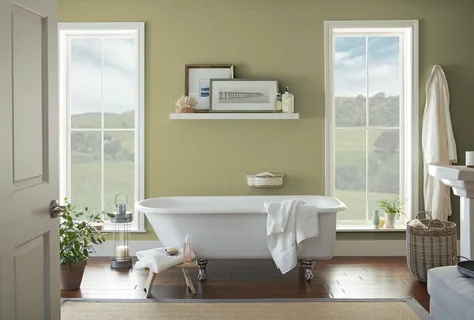
When selecting paint for your bathroom wall painting services in El Paso, TX, epoxy-based coatings are the most durable option. They provide a hard, chemical-resistant surface that withstands heavy use. Latex paints are more affordable and easier to apply but lack the durability of epoxy coatings.
Water-Based vs. Solvent-Based Epoxy
- Water-based epoxy is easier to apply, has low odor, and dries quickly. However, it may not be as durable as solvent-based options.
- Solvent-based epoxy provides a tougher finish and better resistance to chemicals but requires proper ventilation due to strong fumes.
Consider Adding a Topcoat
A clear polyurethane or epoxy topcoat adds extra durability and enhances the appearance of your painted garage wall. It also provides UV protection, preventing the paint from fading over time.
Tools and Materials Needed
Before starting the painting process, gather the following tools and materials:
- Concrete cleaner or degreaser
- Pressure washer or scrub brush
- Concrete patching compound
- Painter’s tape and plastic sheeting
- Paint rollers and brushes
- Epoxy or garage wall paint
- Mixing stick or drill with a mixing attachment
- Non-slip additive (optional)
Step-by-Step Guide to Painting Your Garage wall
Step 1: Preparing the Surface
Proper surface preparation is crucial for ensuring the paint adheres well and lasts long.
Cleaning the wall
- Remove all items from the garage and sweep away dirt and debris.
- Use a concrete cleaner or degreaser to remove oil stains and contaminants.
- Scrub the wall with a stiff brush or use a pressure washer for deeper cleaning.
- Rinse thoroughly and allow the wall to dry completely.
Repairing Cracks and Imperfections
- Inspect the wall for cracks and damage.
- Fill cracks and holes with a concrete patching compound.
- Smooth out the repaired areas with a trowel and let them cure according to the manufacturer’s instructions.
Step 2: Etching the Concrete (If Needed)
Etching the wall improves paint adhesion, especially for unsealed concrete surfaces.
- Mix a concrete etching solution with water following the instructions.
- Apply the solution evenly across the wall using a broom or sprayer.
- Allow the solution to react for the recommended time, then rinse thoroughly.
- Let the wall dry completely before proceeding.
Step 3: Applying Primer (Optional but Recommended)
A primer helps the paint adhere better and extends its durability.
- Stir the primer well before application.
- Use a paint roller to apply a thin, even coat across the entire wall.
- Allow the primer to dry completely before moving to the next step.
Step 4: Painting the Garage wall
Once the wall is prepped, it’s time to apply the paint.
Mixing and Applying the Paint
- Mix the epoxy or garage wall paint thoroughly.
- Start by cutting in along the edges using a paintbrush.
- Use a paint roller to apply the paint in even strokes, working in small sections.
- Apply a second coat if needed for better coverage and durability.
- Allow the paint to dry according to the manufacturer’s instructions.
Step 5: Adding a Topcoat (Optional)
A topcoat enhances the durability and appearance of your painted wall.
- Mix the topcoat thoroughly before application.
- Apply an even layer using a paint roller.
- Let the topcoat cure completely before using the garage.
Curing and Drying Time
How Long Should You Wait Before Using the Garage?
- Allow the paint to dry for at least 24 hours before walking on it.
- Wait at least 72 hours before parking vehicles inside.
- Epoxy coatings may require up to 7 days for full curing.
Maintenance Tips for a Long-Lasting Finish
Regular Cleaning
- Sweep the wall regularly to remove dirt and debris.
- Clean spills immediately to prevent stains and damage.
Avoid Harsh Chemicals
- Use mild detergents for cleaning instead of harsh chemicals.
- Avoid dragging heavy objects across the wall to prevent scratches.
Reapply a Topcoat When Needed
Over time, the topcoat may wear down. Reapplying a new layer every few years helps maintain the durability of your garage wall.
Conclusion
Painting your garage wall is a worthwhile investment that enhances durability, aesthetics, and cleanliness. By following the right preparation and application techniques, you can achieve a tough and long-lasting finish that withstands heavy use. Whether you opt for epoxy or latex paint, maintaining the wall properly will ensure it stays in great condition for years to come.
