
When I first decided to remodel my living space, drywall installation seemed like one of the simpler parts of the job. I assumed it would be quick, easy, and inexpensive. But after going through the process, I learned that drywall is anything but straightforward and that hiring the right professionals can make or break the quality of your entire renovation.
If you’re planning to upgrade your home, here’s what I wish I knew before booking drywall installation services and how you can avoid common pitfalls by being informed from the start.
Understand the Scope of Residential Drywall Service
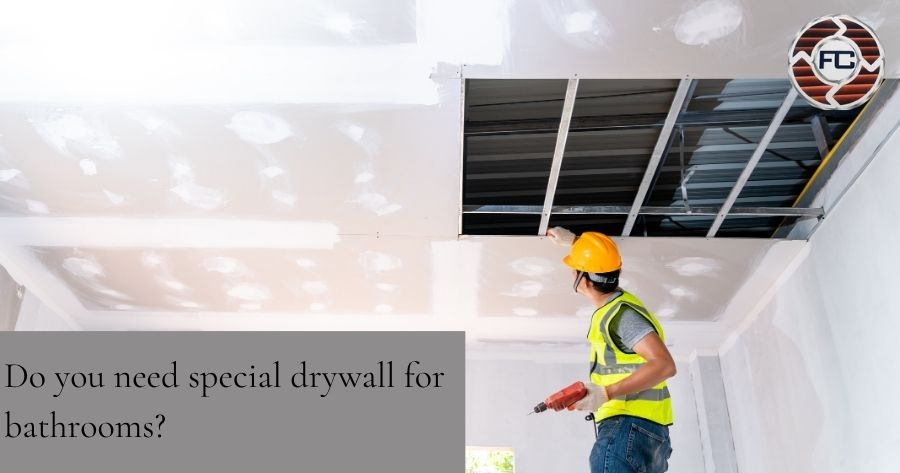
Drywall installation isn’t just putting up boards and applying joint compound. Residential drywall services include everything from inspecting wall studs and sealing cracks to ensuring proper moisture resistance and creating smooth, paint-ready surfaces. Some homes may even need specialized drywall for soundproofing or fire resistance.
Knowing what type of drywall your home needs—and what kind of service to expect—can help you communicate clearly with your contractor and avoid surprises later on.
Drywall Contractor Tips: Experience Matters
One of the most important drywall contractor services I learned is to never underestimate experience. While a general contractor might offer drywall installation as part of a package, it’s often better to work with specialists. Professional drywall installers understand the intricacies of tape and mud application, seam sanding, corner beading, and ensuring flush finishes.
Before hiring anyone, ask how long they’ve been in business, request to see examples of past work, and read online reviews. A little research goes a long way.
What to Expect During a Drywall Install
Before my project began, I had no idea what to expect during a drywall install. Here’s a quick breakdown to help you prepare:
- Site preparation: This includes removing furniture or covering it, laying down protective materials, and sometimes removing old wall material.
- Framing check: Good contractors will inspect studs and framing to ensure they’re level and structurally sound.
- Drywall hanging: Large boards are measured, cut, and fastened into place.
- Taping and mudding: Joints are taped and sealed with joint compound. This process usually takes multiple days as each layer needs time to dry.
- Sanding: Once dry, seams are sanded down to a smooth finish.
- Inspection and touch-ups: A final check is done to make sure everything looks seamless and ready for priming or painting.
Knowing this timeline helped me plan better and avoid rushing the job.
Avoid These Common Drywall Mistakes
I learned the hard way that drywall installation isn’t forgiving. Here are some common drywall mistakes to watch for:
- Improper seam placement: Placing seams over doors or windows can lead to cracks.
- Poor mudding technique: Uneven joint compound can show through paint.
- Not using enough screws: This leads to popping or sagging drywall.
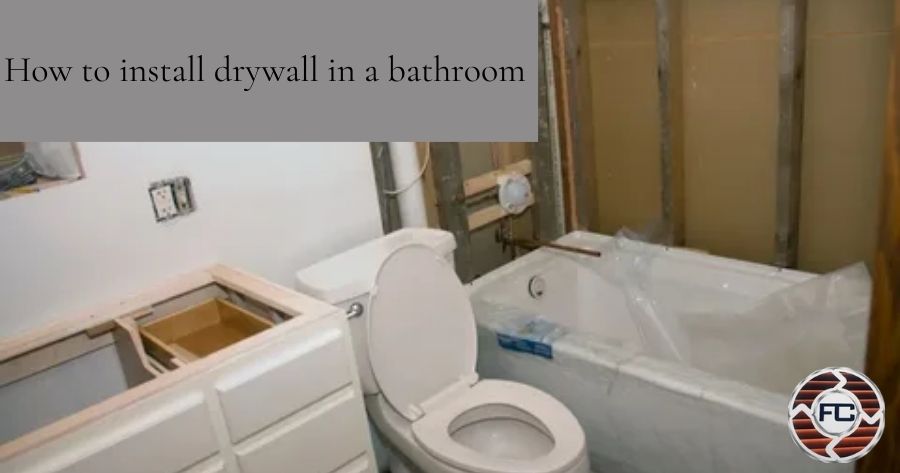
- Skipping moisture barriers: Especially in bathrooms or basements, this can cause mold growth.
Hire pros who are aware of these issues and take proactive steps to avoid them.
Don’t Skip the Drywall Service Checklis
A comprehensive drywall service checklist is something I didn’t think about—but it’s now one of my top recommendations. Use a checklist to ensure:
- The contractor has proper licensing and insurance
- You’ve discussed material types and brands
- All required areas are listed in the contract
- Cleanup and waste removal are included
- A clear timeline and payment schedule are established
Reviewing a checklist with your contractor ensures transparency and protects you from hidden costs or delays.
Questions to Ask Before Hiring Drywall Installers
I regret not asking more questions before hiring. Here are some essential questions to ask a drywall installer before signing a contract:

- Are you licensed and insured?
- How many years of experience do you have with residential drywall?
- Can you provide references or photos of past work?
- What type of drywall do you recommend for my project and why?
- What’s included in your quote materials, labor, and cleanup?
- Do you guarantee your work?
A trustworthy professional should be open to answering these and will appreciate your attention to detail.
Hiring Drywall Professionals vs. DIY
I briefly considered doing the drywall work myself, but I’m glad I didn’t. While DIY may seem cost-effective, it’s a labor-intensive and detail-oriented job that requires specialized tools and expertise. Hiring drywall professionals ensures better finishes, structural integrity, and code compliance.
Even if you’re handy with tools, consider the value of your time and the potential cost of fixing mistakes later.
Breaking Down Drywall Installation Cost
The drywall installation cost varies depending on the size of your space, the type of drywall used, and your location. On average, homeowners pay between $1.50 and $3.50 per square foot, including labor and materials.
Here’s a general breakdown of what you might expect:
- Standard ½” drywall: $10–$20 per panel
- Moisture- or mold-resistant drywall: $15–$30 per panel
- Labor costs: $30–$60 per hour
- Additional expenses: Permits, finishing, and painting
Always get at least three quotes, and make sure each includes a full scope of work to compare apples to apples.
Drywall Preparation Advice: Don’t Rush the Process
One of the best pieces of drywall preparation advice I can give is to slow down and plan ahead. Make sure your walls are free of moisture, wiring and plumbing are in place, and inspections are complete before installing any drywall. Rushing can lead to rework, delays, and even safety hazards.
Take time to coordinate with other contractors (plumbers, electricians, etc.) to avoid tearing down newly installed drywall to fix overlooked issues.
Choosing the Right Drywall Contractor
Ultimately, choosing drywall contractors is the most critical part of the process. Look for specialists who are experienced, communicative, and highly reviewed. Don’t just pick the cheapest quote—look for value, reliability, and attention to detail.
It may cost a little more upfront, but a professional finish will last longer and make every other aspect of your remodel look better.
Final Thoughts: Be an Informed Homeowner
Drywall may seem like a background detail in your remodel, but it forms the canvas for every room in your home. Investing in the right team and knowing what to expect can save you stress, money, and time.
If I could go back and redo my project, I’d spend more time researching, asking questions, and using tools like a drywall service checklist. I hope this guide helps you approach your next drywall project with clarity and confidence.